Top 10 Benefits of Using a Chimney Hood in Your Kitchen
When designing a modern kitchen, the choice of appliances is crucial. One essential element is the Chimney Hood. Reputable studies indicate that proper ventilation can reduce indoor air pollutants by up to 70%. This improvement makes the kitchen a healthier space, especially during cooking.
Chimney Hoods work effectively by eliminating smoke, grease, and odors. In fact, a survey revealed that 65% of homeowners notice improved air quality after installing one. However, not all Chimney Hoods perform equally. Brands differ in efficiency and installation ease. It's vital to choose wisely to maximize benefits.
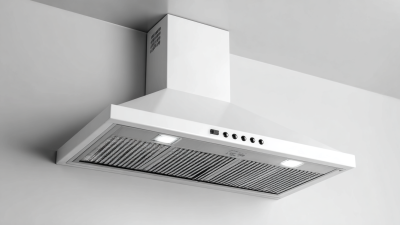
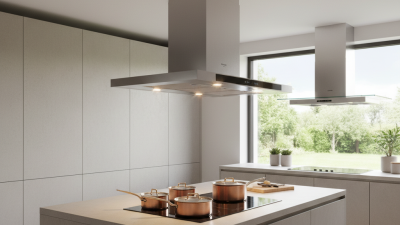
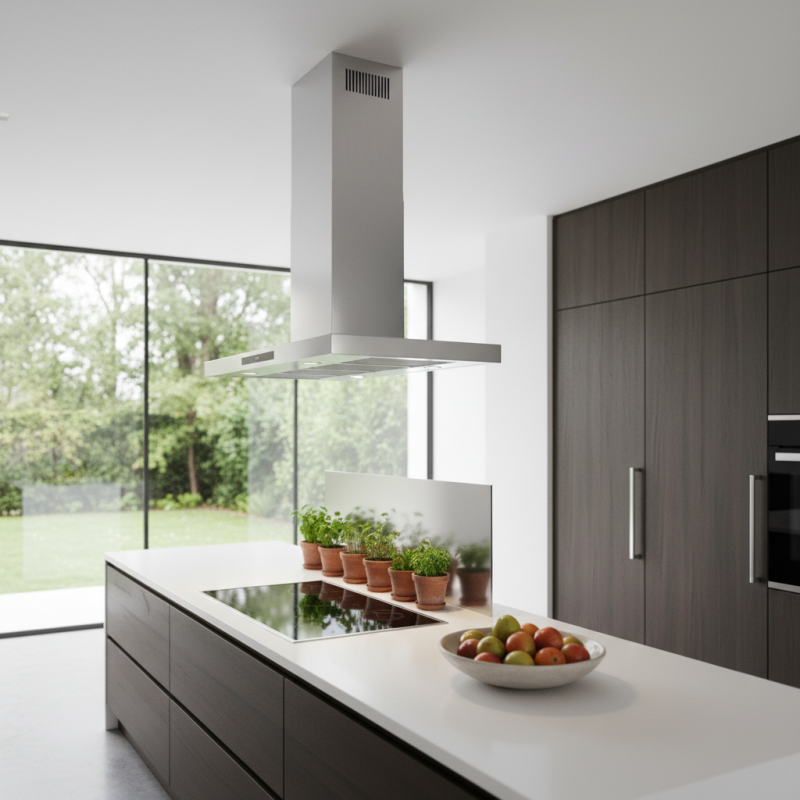
The aesthetics of a Chimney Hood can also enhance your kitchen’s appearance. Many designs fit seamlessly into various styles. Yet, some may find their maintenance cumbersome. Cleaning filters and surfaces regularly can be tedious. A minimalistic design might require fewer cleanings, which could be a crucial consideration for busy households. Embracing the functionality and style of a Chimney Hood could elevate your kitchen experience.
Benefits of Improved Air Quality with a Chimney Hood
Improving air quality in your kitchen is vital for a healthy home. A chimney hood helps eliminate smoke and odors effectively. It captures greasy particles and harmful vapors. This system becomes essential during cooking. Without it, additional pollutants linger in the air.
When odors persist, they can affect your mood and health. Consistently breathing in these elements is not ideal. People sometimes underestimate indoor air quality. Installing a chimney hood can be a significant step towards better ambiance and wellness. It promotes cleaner air, making cooking more enjoyable.
The installation might not always be straightforward. Some homes lack the proper infrastructure. Adjusting ventilation takes effort. Yet, the benefits can outweigh initial challenges. Improved air quality leads to a fresher kitchen and enhances the overall cooking experience. Feeling good while cooking is a straightforward yet powerful change.
Top 10 Benefits of Using a Chimney Hood in Your Kitchen
Noise Reduction and Peaceful Cooking Environment
A chimney hood can drastically improve your cooking experience. One of its key benefits is noise reduction. Most kitchen hoods, especially modern ones, operate quietly. This reduction in sound lets you focus on your cooking. Imagine sautéing vegetables while listening to soft music or a podcast. The calm atmosphere makes a big difference.
Additionally, a quieter kitchen promotes peaceful cooking. When the noise level is low, it creates a more relaxed environment. You feel more in control. However, not all hoods perform the same. Some can be little loud, and that might disrupt your zen moment. It’s worth considering the specifications before making a choice.
Another point to reflect on is how noise affects concentration. A noisy kitchen can lead to mistakes. Chopping, measuring, and stirring all require focus. A peaceful setting enhances creativity in cooking. You may find that you experiment more when distractions are minimal. Enjoying the simplicity of quiet cooking can be a game changer for home chefs.
Enhanced Kitchen Aesthetics and Design Appeal
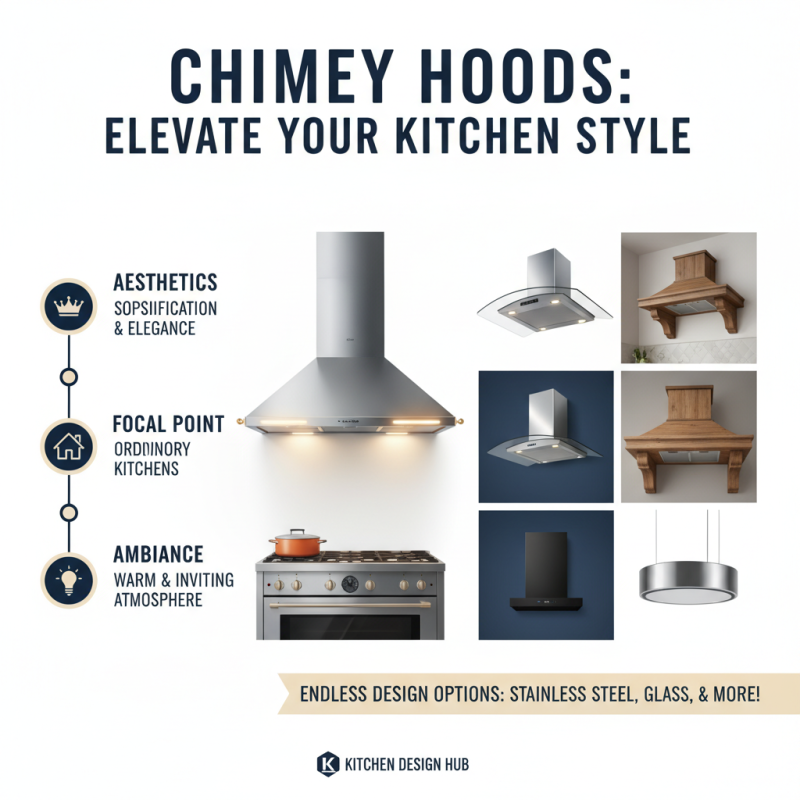
Chimney hoods can dramatically enhance kitchen aesthetics. They add a touch of sophistication and elegance. This focal point can transform an ordinary kitchen into a stylish space. Many designs are available, catering to different tastes. From sleek stainless steel to warm wooden finishes, the options are endless. Homeowners often overlook how a chimney hood impacts ambiance.
A well-chosen chimney hood complements your kitchen design. It balances functionality and style seamlessly. The right model can highlight your cooking area. However, selecting the wrong style might clash with your décor. This inconsistency can overwhelm the space. Light, colors, and materials all play a role to consider. It's crucial to envision how every element interacts before making a decision.
Additionally, chimney hoods can serve as conversation starters. Guests often admire such unique features in a kitchen. However, without proper care, they can become a maintenance hassle. Fingerprints, grease, and dust can dull their shine. This necessity might seem like a burden to some. Reflecting on this, prioritizing maintenance in your design choice is essential. Embrace both beauty and practicality for the best results.
Increased Energy Efficiency and Cost Savings
Installing a chimney hood in your kitchen can significantly enhance energy efficiency. These hoods work by effectively removing heat and moisture from cooking. This prevents your air conditioning from overworking, saving energy. The result is lower utility bills, making your kitchen more economical.
When selecting a chimney hood, consider its size and power. A model that fits your kitchen size will work best. Aim for one that matches your cooking habits. A more powerful hood can remove smoke quickly, keeping indoor air clean. Choose one with energy-efficient features. This might cost more upfront but leads to savings over time.
Regular maintenance of your chimney hood is essential. Clean the filters regularly to maintain airflow efficiency. Neglect can lead to reduced performance and higher energy use. It's a simple task that goes a long way. Remember to check for any build-up. Even small issues can impact energy efficiency.
Safety Features: Reducing Fire Hazards in the Kitchen
When it comes to kitchen safety, chimney hoods play a crucial role. A well-ventilated kitchen significantly reduces the risk of fire hazards. According to the National Fire Protection Association (NFPA), cooking equipment is responsible for about 49% of all house fires. Proper ventilation can mitigate these risks effectively.
Chimney hoods extract smoke, grease, and heat from the air. This process not only clears out harmful particles but also prevents flammable grease buildup around cooking areas. Reports indicate that kitchens with adequate ventilation see a 30% lower likelihood of fire incidents. The hood should be installed above the stove, ideally at a height of 24 to 30 inches. This ensures efficient performance while maintaining safety.
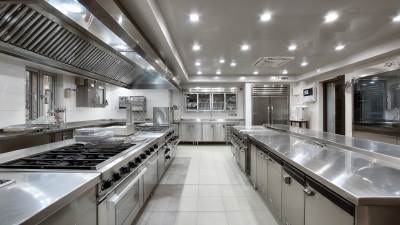
Yet, not all kitchen hoods are created equal. It's essential to choose one that fits your cooking habits. For instance, a commercial-grade hood is necessary for heavy cooking styles, while a standard one may suffice for light use. Improper usage or neglect can lead to costly problems. Cleaning filters regularly is often overlooked, even though neglected filters become fire risks themselves. Awareness of these details is crucial for maintaining a safe cooking environment.