2026 How to Choose the Right Chimney for Kitchen Cooking Needs?
Choosing the right chimney for kitchen cooking needs is crucial. A suitable chimney for the kitchen can enhance air quality and boost cooking efficiency. Every kitchen is unique. Factors like size, style, and cooking habits matter greatly in the selection process.
When selecting a chimney for your kitchen, consider the space available. Larger kitchens may need more powerful options. Diverse cooking styles, such as frying or grilling, create distinct ventilation requirements. Some may prefer a subtle design, while others want a bold statement. Balancing aesthetics with functionality is key.
Purchasing a chimney for the kitchen can be overwhelming. Many brands offer various features and technologies. Researching your options thoroughly is important. Consulting with experts in home improvement can provide valuable insights. Reflect on your specific cooking habits. Being mindful of these preferences leads to a more satisfying choice.
Understanding Your Kitchen Cooking Needs
Choosing the right chimney for your kitchen starts with understanding your cooking habits. Do you often fry, grill, or bake? Each cooking method releases different levels of smoke and odor. For heavy frying, you might need a more powerful chimney. Opting for a model with a higher suction capacity can help clear greasier air effectively.
Consider the size of your kitchen too. A large kitchen can handle a bigger chimney. However, in smaller spaces, a compact model may work better. Make sure to measure your kitchen's dimensions before purchasing. This detail is essential for functionality and aesthetics.
Don't forget about the noise level. Some chimneys can be quite loud during operation. A quieter model may create a more pleasant cooking environment. Lastly, pay attention to maintenance. Some chimneys require more frequent cleaning. Finding a balance between power and ease of use is vital.
2026 How to Choose the Right Chimney for Kitchen Cooking Needs? - Understanding Your Kitchen Cooking Needs
| Chimney Type |
Best for |
CFM (Cubic Feet per Minute) |
Size (inches) |
Noise Level (Sones) |
| Wall-Mounted Chimney |
Medium to Large Kitchens |
300-600 CFM |
30-36 |
3-7 Sones |
| Under-Cabinet Chimney |
Small Kitchens |
200-400 CFM |
24-30 |
2-5 Sones |
| Island Chimney |
Open Kitchens |
600-900 CFM |
36-42 |
4-8 Sones |
| Downdraft Chimney |
Compact Spaces |
300-500 CFM |
15-30 |
4-7 Sones |
Types of Kitchen Chimneys Available in 2026
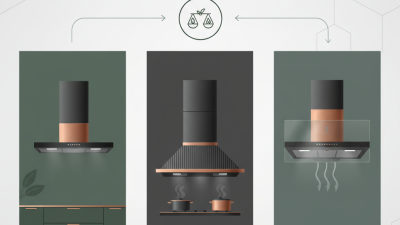
When choosing a kitchen chimney in 2026, it is essential to understand the types available. The market offers various options tailored to different cooking styles and space requirements. A major report from the Kitchen Ventilation Association indicates that wall-mounted chimneys are popular for their efficiency. These models can effectively clear smoke and odors, making them a top choice among chefs.
Additionally, island chimneys have gained traction. These models not only provide excellent ventilation but also serve as a statement piece in modern kitchens. According to trends, about 30% of new kitchen designs incorporate island chimneys. This functionality and design combination appeals to homeowners desiring both style and performance. However, the cost can be a consideration, as these units are typically more expensive compared to wall-mounted options.
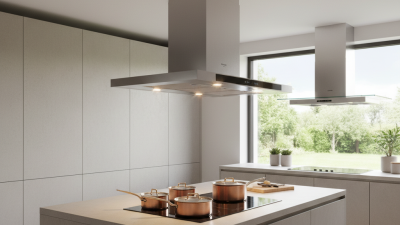
Downdraft chimneys are another alternative. They are often installed next to the cooktop and retract when not in use. Their sleek design is appealing for minimalistic kitchens. Yet, some users report they may not clear smoke as effectively as traditional models. It’s crucial to weigh these factors against personal cooking habits and space layout when making a decision. Ensuring an efficient kitchen ventilation system can greatly enhance the cooking experience.
Key Features to Consider When Selecting a Chimney
When selecting a chimney for your kitchen, several key features demand attention. The extraction rate, measured in cubic meters per hour (m³/h), is vital. A higher extraction rate efficiently removes smoke and odors. For an average kitchen, an extraction rate of about 600 m³/h is often recommended. However, larger spaces may require up to 1000 m³/h. This data emphasizes the importance of tailored solutions.
Another crucial factor is the type of filtration system. The majority of homeowners prefer chimneys with a combination of grease filters and charcoal filters. Grease filters capture airborne grease, while charcoal filters absorb odors. According to industry reports, effective filtration can reduce indoor air pollutants by up to 70%. This improvement in air quality should not be overlooked.
Consider the design and size, too. The chimney needs to match the stove's burner size to optimize functionality. Recommendations suggest that the chimney width should exceed the stove width by at least 15 to 20 centimeters. This aspect ensures better suction and efficiency. Aesthetics play a role, but functionality should lead the choice. One must weigh both factors for a well-balanced decision. Each kitchen is unique, so customize based on specific needs and cooking habits.
Evaluating Chimney Sizes and Installation Options
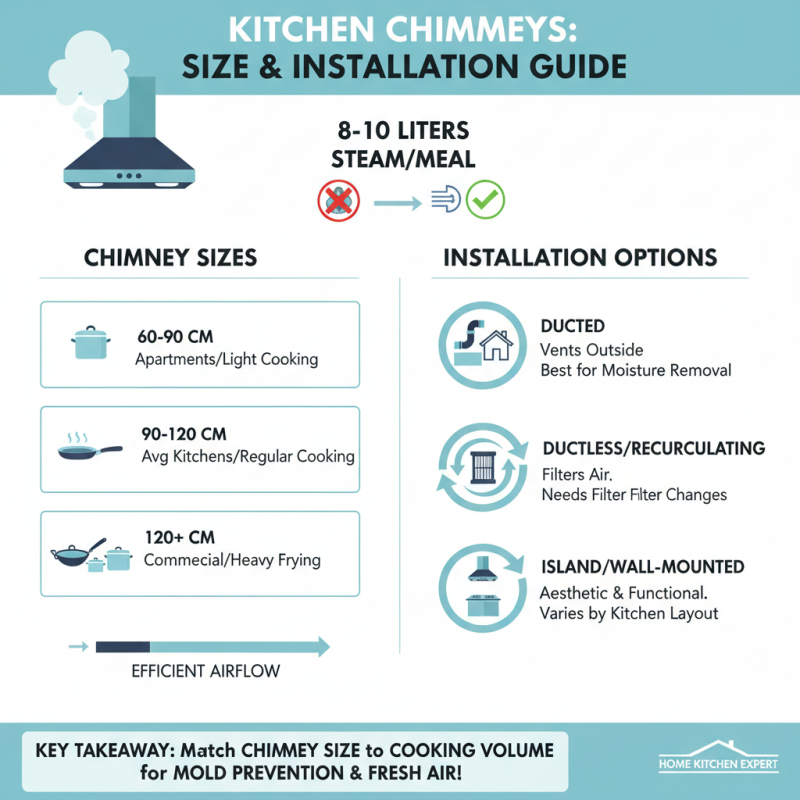
Choosing the right chimney for kitchen cooking needs involves careful consideration of sizes and installation options. The average kitchen releases 8 to 10 liters of steam per meal. This significant moisture can lead to issues like mold if not properly ventilated. Thus, having an appropriate chimney size is essential for efficient air circulation.
Chimneys come in different sizes, typically ranging from 60 cm to 90 cm in width. For small kitchens, a smaller model may suffice. However, a larger cooking area or heavy usage might require a wider chimney. According to industry data, a chimney's suction capacity should be at least 10 times the volume of your kitchen. This means a kitchen of 250 cubic feet needs a chimney with a capacity of 2500 CFM for optimal performance.
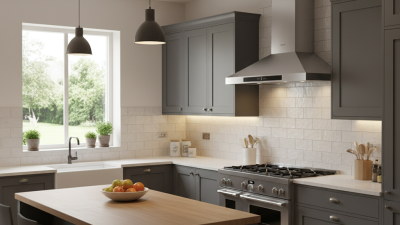
Installation options vary as well. Wall-mounted setups are common in many kitchens, but island chimneys are gaining popularity. These models can add elegance while providing effective ventilation. Yet, improper installation can reduce efficiency by up to 30%. It's crucial to consult professionals who understand regional building codes and airflow dynamics. Neglecting these factors might compromise both safety and functionality in your kitchen.
Maintenance Tips for Optimal Chimney Performance
When choosing a chimney for your kitchen, maintenance is key for optimal performance. Regular upkeep can prevent issues and enhance efficiency.
Cleaning your chimney every month can make a significant difference. Check for grease buildup in filters. If left unattended, this can lead to reduced suction power. Use warm, soapy water for a thorough clean. Don't forget to inspect the duct regularly. This helps to ensure clear airflow.
Another tip is to replace filters as needed. Clogged filters can obstruct airflow, making your chimney less effective. Keep a lookout for unusual noises. If it sounds different, it might need service. Regular attention can not only prolong the chimney's life but also improve your cooking experience.
2026 How to Choose the Right Chimney for Kitchen Cooking Needs?
This chart illustrates the optimal chimney performance based on different cooking styles. The data represents the efficiency percentage of chimney performance when suited to various cooking needs.