How to Choose the Right Range Hood for Your Kitchen Needs?
Choosing the right range hood is essential for any kitchen. A good range hood enhances cooking efficiency. It also maintains air quality. With various styles and features, selecting the perfect one can be challenging.
Consider your kitchen's size and design. A compact kitchen may need a wall-mounted hood. In contrast, a spacious area might benefit from an island model. Think about the noise level, too. Some range hoods are quieter than others. You might find a powerful hood too loud for comfort.
Filters are another point of concern. Some hoods use grease filters, while others may have charcoal options. Understanding your cooking habits can help you choose wisely. Do you fry often? A more robust model might be necessary. Reflecting on these details can lead to a more informed decision.
Understanding the Role of Range Hoods in Kitchen Ventilation
Range hoods play a crucial role in kitchen ventilation, ensuring a clean cooking environment.
They help remove smoke, steam, and odors. When cooking on high heat, these issues can become overwhelming.
Without proper ventilation, the air quality in your kitchen suffers. This can affect your health and comfort.
Choosing the right range hood is essential. Consider the hood's capacity and the size of your kitchen.
Too small of a hood may not effectively manage cooking fumes.
In contrast, a hood that is too powerful might create excess noise.
The design must complement your kitchen's aesthetic. Remember, functionality shouldn’t sacrifice style.
While many overlook maintenance, it is key to an effective range hood. Regularly clean filters to prevent grease buildup.
A neglected hood can become less efficient over time. Reflect on your cooking habits.
Do you frequently fry or grill?
Your range hood should cater to your specific needs. An informed decision can enhance your cooking experience.
Types of Range Hoods and Their Features
When choosing a range hood, it’s vital to understand the different types available.
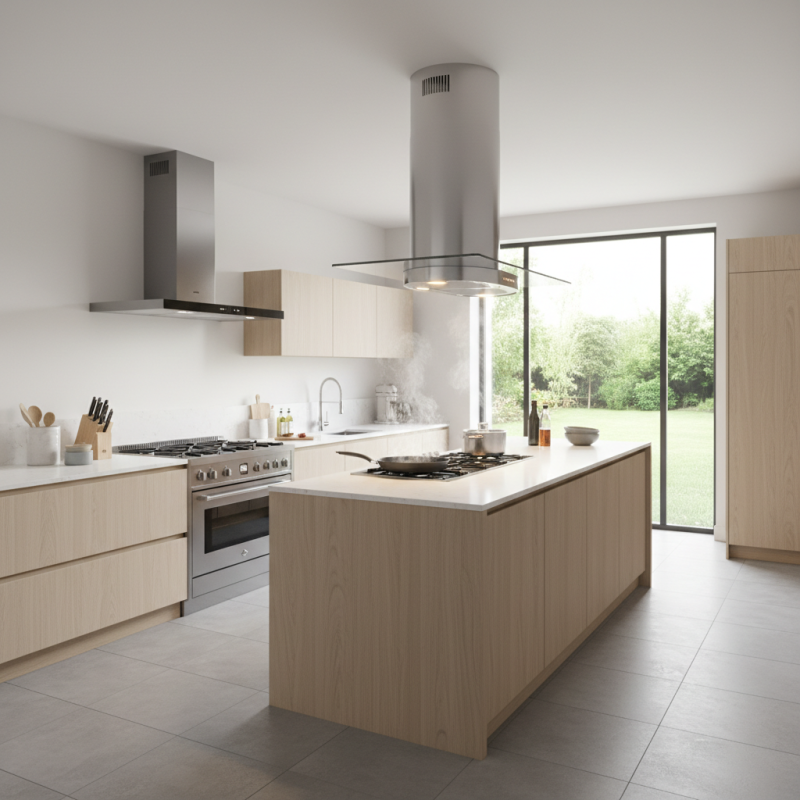
Wall-mounted hoods are popular for modern kitchens. They provide effective ventilation and add a stylish focal point. Their installation can be complex, sometimes requiring professional help.
Under-cabinet hoods are cost-effective and practical. They fit snugly under cabinets, saving space. However, they might not have the power needed for larger kitchens.
It’s crucial to evaluate your cooking habits. If you frequently cook with strong flavors, the under-cabinet model may not suffice.
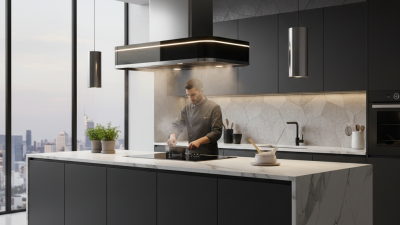
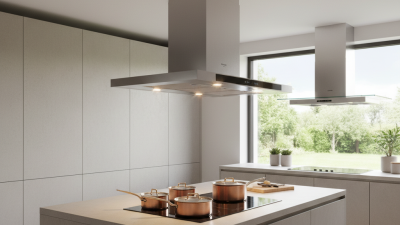
Island hoods are ideal for open-concept kitchens. They hang from the ceiling and look stunning above cooking islands. But they can be pricey and challenging to install.
Some people might overlook maintenance needs. Cleaning filters regularly ensures optimal performance. Understanding these features can greatly impact your kitchen's efficiency.
Factors to Consider When Choosing a Range Hood
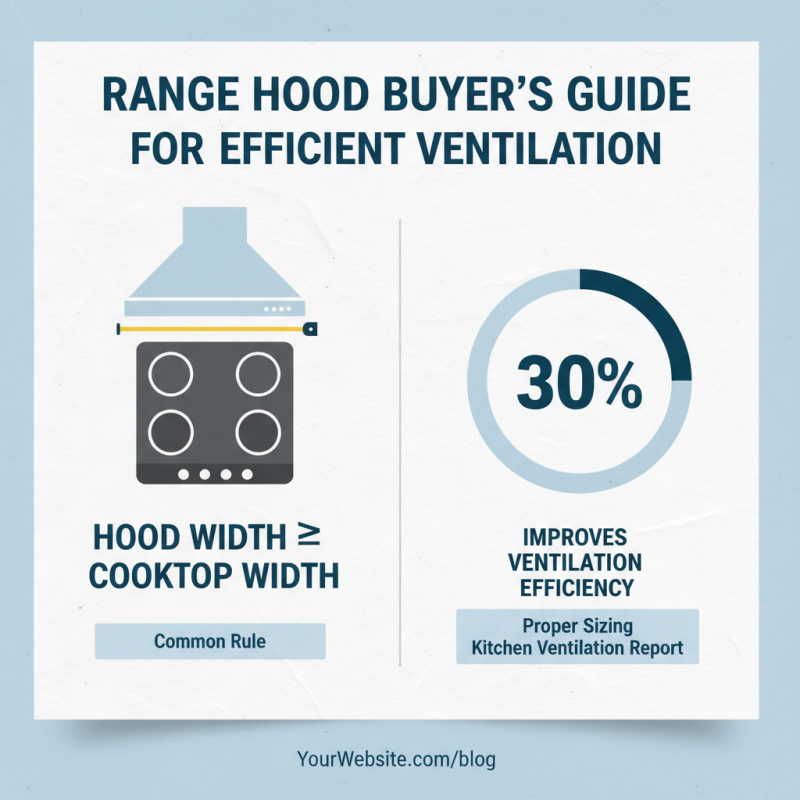
Choosing the right range hood involves several important factors. The size of the hood should match your cooktop. A common rule is that the hood should be at least as wide as the cooktop. According to the Kitchen Ventilation Report, proper sizing improves ventilation efficiency by up to 30%.
The type of ventilation is another crucial aspect. There are generally two options: ducted and ductless. Ducted systems vent air outside, while ductless models use filters to recirculate air. Ducted systems often perform better, but they can be more complex to install. A survey by the Home Ventilation Institute revealed that 70% of homeowners prefer ducted systems for better air quality.
Noise levels are often overlooked but vital. Many range hoods can reach 60 decibels or more, which can disrupt cooking tasks. The ideal noise level is below 50 decibels. Consider models with noise ratings before making a decision. It's easy to underestimate how much a quiet hood improves the cooking experience. Choosing the wrong one might lead to a noisy kitchen environment, detracting from the joy of cooking.
Sizing Your Range Hood for Optimal Performance
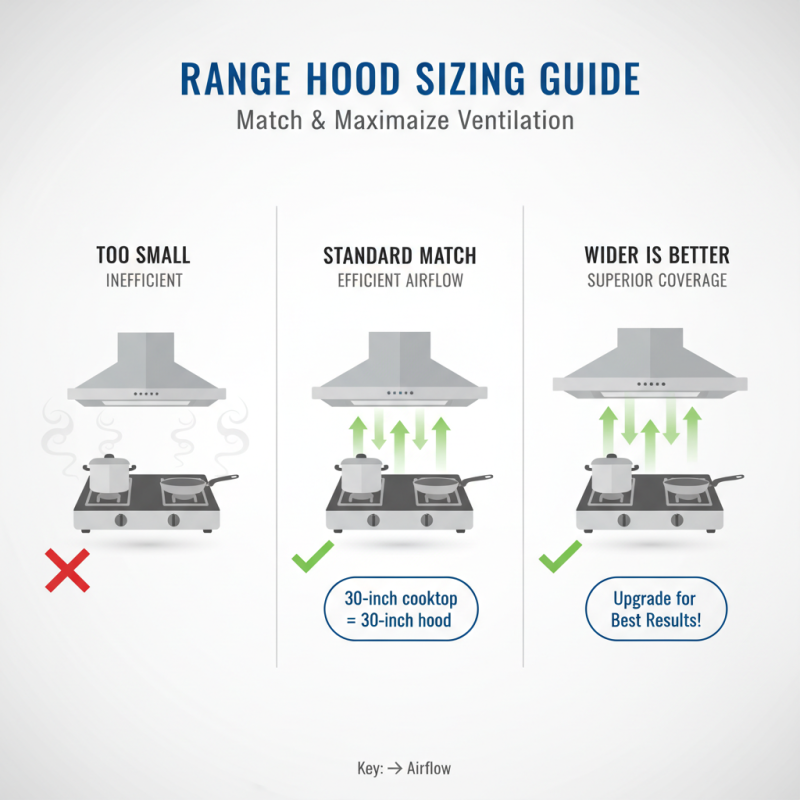
Choosing the right size for your range hood is crucial for efficient kitchen ventilation. A range hood that is too small will struggle to eliminate smoke and odors. Ideally, it should match the size of your cooktop. For a standard 30-inch cooktop, a range hood of the same width is recommended. However, selecting a hood that is wider can improve airflow and coverage.
Consider the height of your ceiling when sizing your range hood. Standard kitchen ceilings are about 8 feet high. If your ceiling is taller, you may need a hood with adjustable height or additional power. Some hoods struggle when placed too high, leading to ineffective performance. The distance between your cooktop and hood should generally be 24 to 30 inches. Yet, factors like style and design may cause variations.
Not everyone measures correctly. Sometimes, buyers overlook ducting and installation space. This can result in a mismatch, creating future regrets. There’s also the issue of noise levels. A powerful fan can save your cooking space, but it might produce unwanted sound. Balancing power and noise is a vital part of your decision-making process. Each choice matters in your kitchen setup.
Installation and Maintenance Tips for Range Hoods
Choosing the right range hood is crucial for any kitchen. Once you have it, installation is the next step. It can be tricky. Make sure you measure the space accurately. Too high, and it won’t capture smoke effectively. Too low, and you risk bumping your head.
In terms of maintenance, regular cleaning is vital. Grease can build up quickly. Use a gentle cleanser to wipe down the surface monthly. Don’t forget the filter. A clogged filter reduces efficiency. Consider replacing it every few months, depending on usage. It’s easy to overlook these tasks. But neglecting them can lead to bigger problems.
Here are some helpful tips. For installation, always follow the manufacturer's guidelines. Use proper tools to avoid damage. For maintenance, set reminders on your phone. That way, you won’t forget cleaning schedules. Small actions lead to better air quality and a more functional kitchen.