How to Choose the Best Kitchen Extractor Hood for Your Needs?
Choosing the right Kitchen Extractor Hood can greatly enhance your cooking experience. A well-selected hood not only improves air quality but also adds aesthetics to your kitchen. There are various factors to consider, including size, style, and functionality. Each kitchen is unique, and what works for one may not suit another.
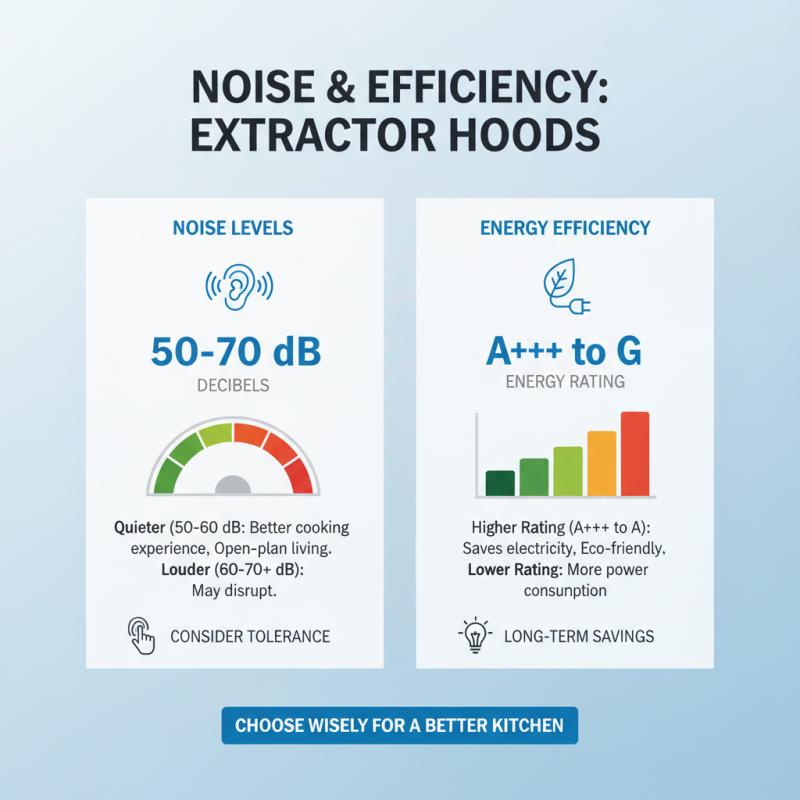
Understanding your cooking habits is crucial. Do you fry often? A powerful extractor will be beneficial. Noise levels are another consideration. Some hoods operate quietly, while others can be louder. Features like lighting and ducting options also matter.
It’s easy to feel overwhelmed by choices. Consulting with experts can guide you in the right direction. It's also important to consider reviews from others. Their experiences can help refine your decision. Remember, the goal is to find the best Kitchen Extractor Hood that matches your needs and enhances your kitchen space.
Factors to Consider When Choosing a Kitchen Extractor Hood
Choosing the right kitchen extractor hood is essential. There are various factors to consider. Size is critical. The hood must fit your kitchen space while effectively covering your cooking area. Measure the dimensions carefully. An ill-fitting hood can disrupt the kitchen’s aesthetic and functionality.
Suction power is another important aspect. This measurement is often given in cubic feet per minute (CFM). A higher CFM indicates stronger suction. However, more power can mean more noise. Striking a balance is key. You want a hood that removes smoke and odors without becoming too loud.
Additionally, consider the type of filters. Baffle filters are durable and often more effective than mesh filters. But they require more maintenance. Reflect on your cooking habits to determine the right choice. Not every hood suits every cook. Take your time to evaluate these factors for the best fit.
Types of Kitchen Extractor Hoods and Their Benefits
When choosing a kitchen extractor hood, understanding the types available can significantly impact your cooking space. There are various kitchen extractors, including wall-mounted, under-cabinet, and island hoods. Wall-mounted hoods are ideal for homes with limited space since they save countertop area while efficiently venting smoke and grease.
According to a report by the National Kitchen and Bath Association, about 57% of homeowners prioritize effective ventilation when designing their kitchens. This is crucial, as poor air quality can lead to health issues. Under-cabinet hoods, for example, are compact and blend seamlessly into cabinetry, making them a good choice for smaller kitchens. However, they might not be powerful enough for heavy cooking.
For those who love cooking, an island hood offers both style and functionality. They can handle higher cooking volumes but often come at a premium. The design should match the kitchen decor to create a cohesive look.
**Tips:** Choose a hood with at least 300 CFM for typical cooking. For serious chefs, consider a higher CFM. Always ensure the hood height is compliant with local regulations to avoid safety hazards. Consider both noise levels and maintenance for a more pleasant cooking experience.
Types of Kitchen Extractor Hoods and Their Benefits
Assessing the Size and Space for Your Kitchen Extractor Hood
When choosing a kitchen extractor hood, size and space are key. Measure the area above your cooktop before making a decision. A hood should extend slightly beyond the cooking surface to capture steam and odors effectively. It’s a matter of balance. Too small, and it won’t do its job well. Too large, and it could overwhelm your kitchen design.
Consider the layout of your kitchen. If you have an open plan, the extractor hood should integrate seamlessly with other elements. The height of the hood should also be adjustable based on your ceiling height. Ideally, the bottom of the hood should be 24 to 30 inches above the cooktop. This allows it to function efficiently while maintaining an inviting atmosphere.
An often-overlooked aspect is the noise level. Some models operate quietly, while others can be quite loud. If you enjoy calm cooking environments, noise is a significant factor. Research different options, as sound can impact your cooking experience. Aim for a balance of power, size, and aesthetics that suits your kitchen while reflecting your cooking habits.
Ventilation Options: Ducted vs. Ductless Hoods
When selecting a kitchen extractor hood, understanding ventilation options is vital. Ducted hoods exhaust air outside, effectively removing heat and odors. According to industry data, ducted systems can reduce airborne grease particles by up to 95%. This efficiency makes them ideal for serious home cooks.
On the other hand, ductless hoods recirculate air back into the kitchen. They use filters to capture grease and odors. While more flexible, they may not eliminate odors completely. Studies suggest that ductless systems can struggle with heavy cooking, leaving residual smells. They are simpler to install, which appeals to many homeowners.
Both ventilation types have pros and cons. Ducted systems require installation, which can be costly. Ductless options may save upfront costs but require frequent filter replacements. Homeowners should assess their cooking habits to make an informed decision. Consider that sometimes the best choice is not the easiest one. Each home has unique needs that reflect personal cooking styles.
How to Choose the Best Kitchen Extractor Hood for Your Needs? - Ventilation Options: Ducted vs. Ductless Hoods
| Feature |
Ducted Hoods |
Ductless Hoods |
| Installation |
More complex, requires ductwork |
Easier, no ductwork needed |
| Air Filtration |
Exhausts air outside |
Uses filters to recirculate air |
| Cost |
Typically higher due to installation |
Generally more affordable |
| Noise Level |
Can be quieter if installed properly |
May be noisier due to recirculation |
| Maintenance |
Less frequent, just clean ductwork |
Requires regular filter changes |
| Best for |
Homes with existing ductwork |
Apartments or remodels without ducts |