How to Choose the Right Commercial Kitchen Hood for Your Business?
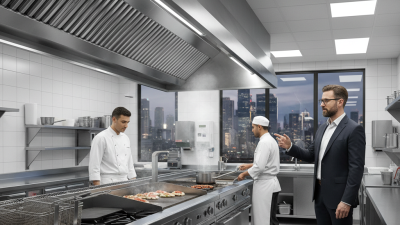
Choosing the right Commercial Kitchen Hood for your business is essential. An effective hood ensures the safety and efficiency of any culinary operation. It plays a critical role in removing smoke, heat, and grease from the air. This not only keeps the kitchen environment safe but also complies with health regulations.
When selecting a Commercial Kitchen Hood, consider your specific cooking methods and kitchen layout. Different hoods cater to different needs. For instance, a high-volume kitchen may require a more robust system. Ventilation capacity is key. Many businesses overlook their hood's design and efficiency.
Make informed choices by consulting experts in the field. Your hood should not only be functional but also reflect your kitchen's unique requirements. Investing in the right hood can enhance your cooking environment while ensuring compliance with local codes. Remember, a well-chosen Commercial Kitchen Hood is more than a necessity; it’s an investment in your business's future.
Understanding the Importance of Commercial Kitchen Hoods
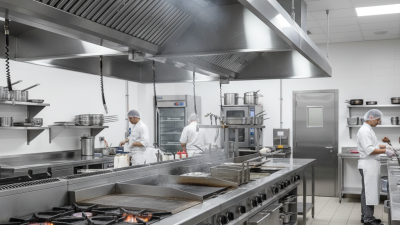
Commercial kitchen hoods play a crucial role in maintaining a safe and efficient cooking environment. They help remove smoke, grease, and heat from the kitchen. According to the National Fire Protection Association (NFPA), cooking equipment is the leading cause of restaurant fires, accounting for 49% of incidents. A well-functioning hood can significantly reduce this risk.
Choosing the right hood requires understanding local codes and regulations. Many municipalities mandate hoods be installed in commercial settings to prevent fire hazards. Additionally, industry reports indicate that proper ventilation can enhance employee comfort and productivity. A hood that meets your kitchen's specific needs will not only comply with regulations but also improve air quality.
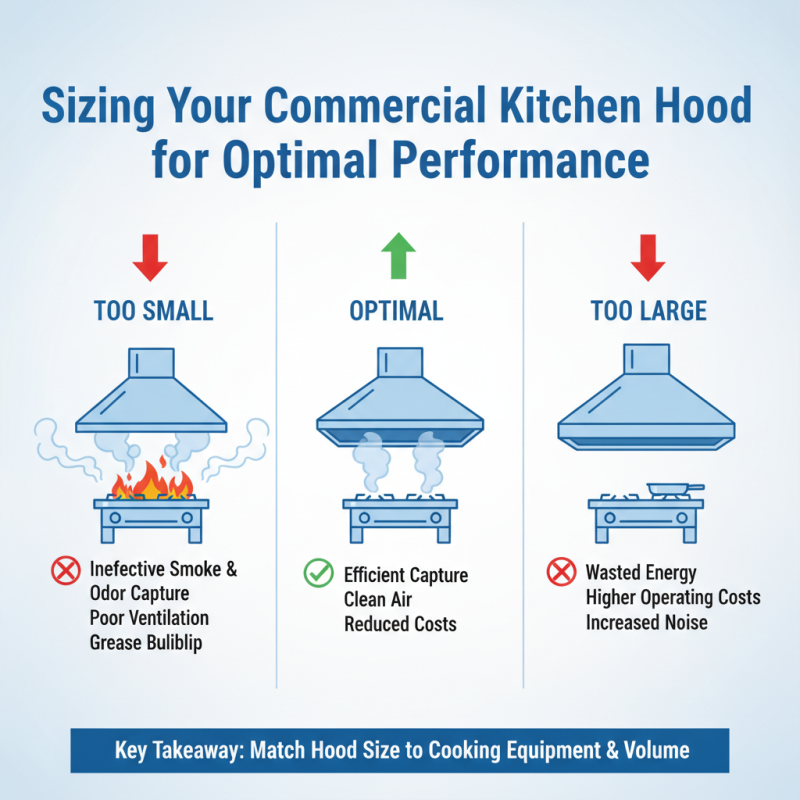
However, with various styles and capacities, finding the ideal hood can be challenging. Many businesses struggle to balance performance and budget. It's vital to assess the kitchen's layout and cooking volume. A hood that is too small can lead to ineffective ventilation, while an oversized unit may lead to higher energy costs. Therefore, careful consideration is essential to ensure a safe and compliant kitchen environment.
Types of Commercial Kitchen Hoods and Their Functions
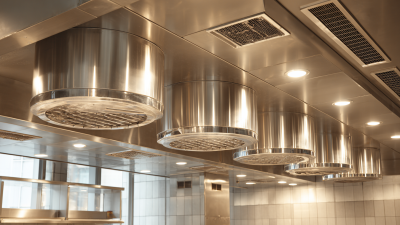
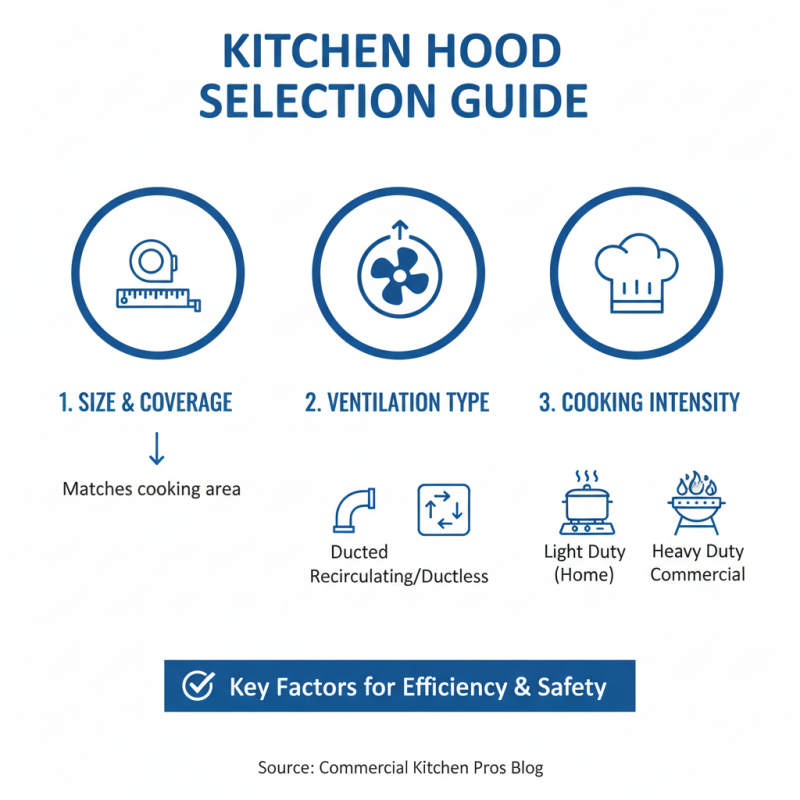
When selecting a commercial kitchen hood, understanding the different types is crucial. There are two main categories: canopy hoods and wall-mounted hoods. Canopy hoods over islands are effective for open kitchens. They excel in ventilation and smoke capture. Wall-mounted hoods, on the other hand, are ideal for kitchens where space is limited. Their design fits snugly against a wall.
Different hoods serve unique functions. For instance, ducted hoods expel air outside, ensuring odors and heat leave the kitchen. They are often found in larger establishments. Ductless hoods filter air. They recycle it back into the kitchen, making them suitable for smaller spaces. However, ductless systems need regular maintenance. Neglecting filters can result in ineffective operation.
Ventilation systems can be complex. It’s essential to consider your kitchen layout and cooking methods. Heavy frying may need a heavier-duty hood. Conversely, light sautéing might only require simpler models. Choosing the wrong hood can lead to issues like poor airflow or unpleasant odors. Balancing aesthetics with functionality is another challenge. A well-chosen hood ensures safety and enhances the kitchen atmosphere.
Types of Commercial Kitchen Hoods and Their Functions
Sizing Your Commercial Kitchen Hood for Optimal Performance
Choosing the right commercial kitchen hood requires careful sizing for optimal performance. The size of your hood directly impacts its efficiency. A hood that's too small will struggle to contain smoke and odors. Conversely, an oversized hood leads to unnecessary energy consumption and higher costs.
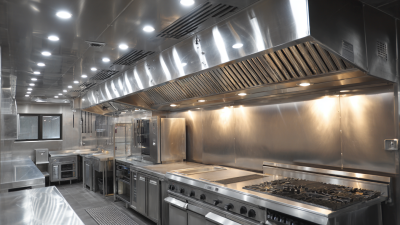
Measure your kitchen's cooking appliances. Typically, the hood should extend beyond the edges of the equipment. A common guideline is to have at least six inches of overlap on all sides. This ensures that cooking fumes are effectively captured. However, if your kitchen layout is unique, you might face challenges in achieving this ideal size.
Consider the airflow. Proper ventilation is vital for a safe kitchen environment. It helps in removing heat and moisture. A hood with inadequate airflow can lead to discomfort for kitchen staff. However, a high-performance model may come with higher maintenance needs. Balancing performance with practicality is essential for long-term satisfaction. Aim for a solution that meets your kitchen’s specific needs yet does not strain your budget.
Compliance with Local Codes and Regulations for Kitchen Hoods
When selecting a commercial kitchen hood, compliance with local codes is paramount. Various local health and safety regulations dictate the design and installation of kitchen hoods. For instance, many jurisdictions require hoods to capture and filter smoke, grease, and odors effectively. According to a report from the National Fire Protection Association, improper installation can lead to fire hazards, resulting in costly fines and damage.
Understanding the specifics of your area’s building codes is essential. Codes may prescribe minimum airflow rates, materials, and installation heights. A 2022 survey indicated that 30% of commercial kitchens faced fines due to non-compliance with local codes. It’s crucial to collaborate with certified professionals who have experience in local regulations. This ensures your kitchen hood not only enhances efficiency but remains fully compliant.
Moreover, local code updates can occur frequently. Regularly reviewing the latest regulations helps prevent unexpected legal issues. Some business owners may overlook the details of venting requirements or fire suppression systems. Regular audits of your kitchen setup can reveal areas needing improvement. Investing time in understanding and adapting to local codes protects your business and enhances kitchen safety.
How to Choose the Right Commercial Kitchen Hood for Your Business? - Compliance with Local Codes and Regulations for Kitchen Hoods
| Dimension |
Details |
| Type of Hood |
Type I (Grease) or Type II (Non-Grease) |
| Airflow Requirement |
Measured in CFM (Cubic Feet per Minute) |
| Ducting Configuration |
Based on kitchen layout and local building codes |
| Material |
Stainless steel is preferred for durability and ease of cleaning |
| Filtration System |
Options include baffle filters, mesh filters, or electrostatic filters |
| Compliance Codes |
Local health department and fire codes must be met |
| Maintenance Requirements |
Regular cleaning and inspections as per local regulations |
| Noise Level |
Consideration for operational comfort in the kitchen |