10 Essential Tips for Choosing the Best Cooker Hood for Your Kitchen?
Choosing the right cooker hood can significantly impact your kitchen's functionality and style. According to Mark Thompson, a renowned kitchen appliance expert, "A good cooker hood is not only about looks; it must perform well." This statement resonates when discussing the importance of efficient ventilation.
When selecting a cooker hood, consider the size and layout of your kitchen. Measure your cooktop area accurately. A hood that fits well is essential for optimal air circulation. Many people overlook this detail, leading to less effective performance.
Also, think about your cooking habits. Do you fry often? Certain hoods are more suited for this. Reflecting on your needs will guide you. The aesthetics matter too. The right cooker hood should blend with your kitchen's décor but also be functional. Remember, it's not just about looks.
Understanding the Different Types of Cooker Hoods Available in the Market
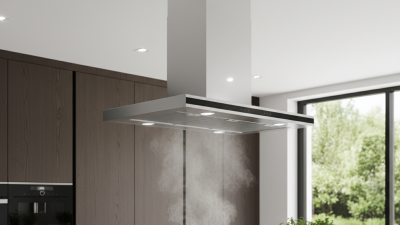
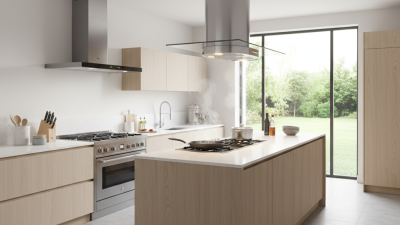
When selecting a cooker hood, it’s crucial to understand the types available. Wall-mounted hoods are popular choices, fitting seamlessly above the stove. They are efficient for many kitchens, but installation can be tricky. Island hoods hang from the ceiling, ideal for open layouts. Their design adds style but may require additional ceiling adjustments.
Under-cabinet hoods are another option, perfect for smaller kitchens. They save space and provide good suction. However, they might not be powerful enough for large cooking tasks. Downdraft hoods are innovative, rising from the counter as needed. While sleek and space-saving, maintenance can be more challenging.
Consider your cooking habits when choosing. If you fry frequently, a high-performance model is essential. Yet, these might be louder. Therefore, balancing power and aesthetics is key. Reflect on the size of your kitchen and the noise level you can tolerate. Each type has strengths and weaknesses. Finding the right match requires careful thought and planning.
Evaluating Extraction Rates: What CFM Means for Your Kitchen Needs
When selecting a cooker hood, understanding extraction rates, expressed in CFM (Cubic Feet per Minute), is crucial. CFM measures the airflow of your hood. A higher CFM means more efficient removal of smoke, steam, and odors from your kitchen. For average home kitchens, a CFM rating between 300 to 600 is generally adequate. However, larger kitchens or those with high-heat cooking may require up to 900 CFM or more.
Consider factors like the size of your kitchen. A small kitchen may only need 300 CFM. On the other hand, if you frequently fry or grill, aim for a higher CFM. You also need to think about ducting. Ducted hoods often deliver better performance than ductless options, as they can expel air outside. The relationship between CFM and kitchen layout is vital. A poorly designed layout can hinder airflow.
Tip: Calculate your kitchen's volume. A formula is to multiply the kitchen's length, width, and height. Then, divide that number by 100 to get a rough estimate of the CFM you need. Keep in mind that extractor hoods may be noisy. Noise levels are typically measured in sones. A quiet hood operates around 1 to 4 sones. If your kitchen is part of an open plan, a quieter model is advisable. Ultimately, an informed choice about CFM and other factors will elevate your cooking space.
Noise Levels in Cooker Hoods: How to Choose a Quiet Model
When selecting a cooker hood, noise levels are crucial. Many people overlook how sound can impact their kitchen experience. A quiet model can enhance your cooking time, making it more enjoyable. Imagine whipping up a meal without the drone of a loud fan. It’s a more pleasant environment for you and your guests.
Look for the decibel (dB) rating. A model under 50 dB is generally considered quiet. This level is comparable to a normal conversation. It's essential to factor in that higher suction power can often lead to increased noise. Sometimes we chase high performance but forget about our peace. Balance power and sound for the best choice.
Consider the design too. Some sleek designs may seem appealing but can be noisier. Read user reviews about real experiences. A beautifully designed hood might not deliver the quiet you're aiming for. Reflecting on functionality versus aesthetics is key. Don’t rush into a purchase. Taking time to evaluate noise levels can save you from future regrets.
10 Essential Tips for Choosing the Best Cooker Hood for Your Kitchen - Noise Levels in Cooker Hoods: How to Choose a Quiet Model
| Tip |
Description |
Noise Level (dB) |
Suction Power (m³/h) |
Price Range (USD) |
| 1. Determine Size |
Choose a hood that fits over your cooking area. |
45 |
600 |
150 - 300 |
| 2. Check Noise Levels |
Look for quieter models under 50 dB for a peaceful kitchen. |
50 |
700 |
200 - 400 |
| 3. Filter Type |
Choose between charcoal and metal filters based on your cooking style. |
55 |
800 |
100 - 250 |
| 4. Ventilation Type |
Decide between ducted and ductless based on installation options. |
60 |
900 |
300 - 600 |
| 5. Style & Design |
Match the hood with your kitchen decor for aesthetics. |
52 |
750 |
150 - 350 |
| 6. Maintenance |
Consider the ease of cleaning and filter replacement. |
58 |
650 |
175 - 400 |
| 7. Lighting Features |
Integrated lights improve visibility while cooking. |
48 |
700 |
250 - 500 |
| 8. Energy Efficiency |
Look for energy-efficient models to save on electricity. |
47 |
850 |
200 - 450 |
| 9. Installation Options |
Consider professional installation versus DIY. |
49 |
720 |
100 - 300 |
| 10. Read Reviews |
Check reviews and ratings for user experiences and reliability. |
51 |
800 |
200 - 500 |
Considerations for Size and Design: Matching Your Cooker Hood to Your Space
When choosing a cooker hood, size and design are crucial. A hood that doesn’t fit properly can disrupt your kitchen’s aesthetics. Measure your cooking area carefully. Select a hood that covers your range adequately. The width should match or exceed that of your cooktop.
Design matters too. A modern kitchen may call for sleek lines and a minimalist look. Conversely, traditional spaces benefit from ornate details. Choose a finish that complements your cabinets. Stainless steel remains popular, yet other materials offer unique styles. Remember, your cooker hood isn't just functional; it’s a visual element in your kitchen.
Consider your kitchen layout. Open spaces may require hoods with higher efficiency. These can handle cooking odors better. Another tip: assess the height of your ceilings. A too-low installation can feel cramped. Reflection on these details can prevent costly mistakes down the road. Think twice about what suits your daily cooking needs.
Energy Efficiency Ratings: How They Impact Long-Term Costs and Performance
When selecting a cooker hood, energy efficiency ratings are key. They directly influence both long-term costs and overall performance. A high rating means better energy savings. According to the Energy Saving Trust, efficient cookers can reduce energy bills by up to 30%. This means investing in a high-rated model can save families significant money over time.
Consider this tip: look for hoods with an energy efficiency rating of at least A. Proper ventilation can also prevent heat buildup. This helps maintain a comfortable kitchen environment. Another point to ponder: not all high-rated models are equally effective at removing cooking odors and smoke.
Remember, installation plays a vital role in performance. A poorly installed hood won't operate efficiently, regardless of its rating. Ensure your chosen model fits your kitchen layout. Take the time to understand your space and needs. Effective testing of the hood before purchase, even in-store, may reveal its true capabilities.