Essential Kitchen Hood Tips for Choosing Maintaining and Cleaning Your Ventilation System
When it comes to creating a comfortable and functional cooking environment, a Kitchen Hood plays a crucial role in maintaining good air quality and reducing odors, smoke, and excess moisture. Choosing the right ventilation system for your kitchen is not just about aesthetics; it's about ensuring a safe and efficient cooking space. In this guide, we will delve into essential tips for selecting the perfect Kitchen Hood tailored to your cooking habits and kitchen layout.
Moreover, maintenance and cleaning of your Kitchen Hood are vital for optimal performance. A well-maintained ventilation system not only enhances efficiency but also extends the lifespan of your appliance. In the following sections, we will provide practical advice on how to clean and take care of your Kitchen Hood effectively, ensuring it functions at its best. Whether you're a culinary novice or a seasoned chef, understanding these key aspects of your Kitchen Hood can make a significant difference in your cooking experience.

Key Factors to Consider When Choosing a Kitchen Hood
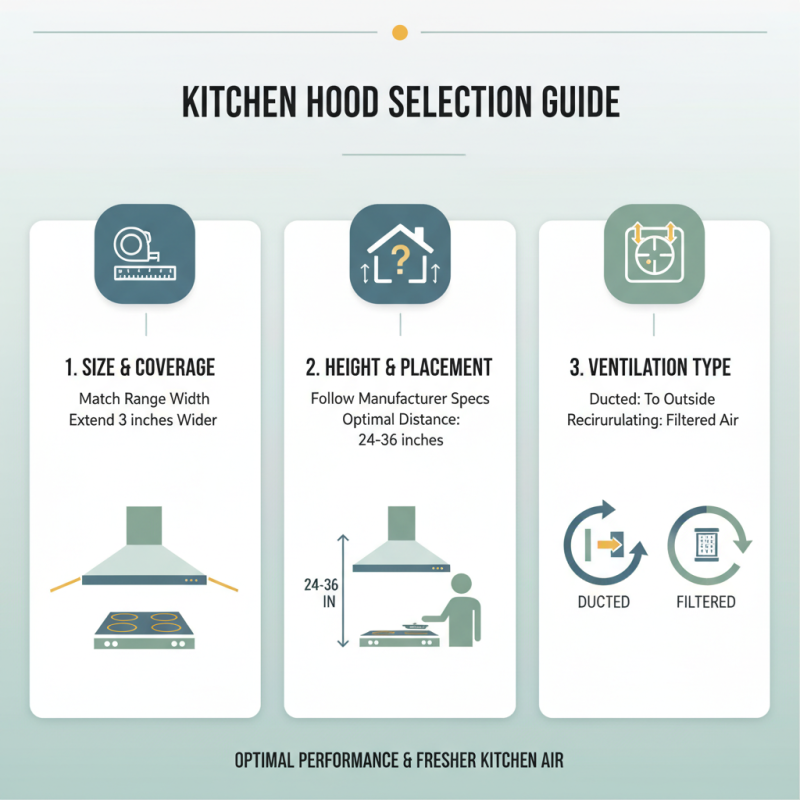
When it comes to selecting a kitchen hood, several key factors play a crucial role in ensuring optimal performance and functionality. Firstly, consider the size of your kitchen and the layout. A hood should be appropriately sized to match your cooking range, ideally extending a few inches beyond it on each side to capture smoke and odors effectively. It is essential to evaluate the height at which the hood will be installed, as this affects both aesthetics and efficiency in ventilation.
Another important factor is the type of hood—vented or non-vented. Vented hoods expel air outside, which is more efficient for removing smoke and cooking odors. In contrast, non-vented hoods recirculate air through filters, making them suitable for spaces where ducting isn’t feasible. Additionally, assess the airflow rate, measured in cubic feet per minute (CFM). A higher CFM is typically necessary for heavy-duty cooking, while lighter cooking can suffice with lower ratings.
Tips for maintaining your kitchen hood include regularly cleaning the filters to prevent grease buildup, which can affect performance and pose fire hazards. Regularly check the ductwork for any obstructions or accumulated grease. When it comes to cleaning, use non-abrasive cleaners to protect the finish and avoid damage. Keeping your kitchen hood in top condition not only ensures effective ventilation but also enhances the overall safety of your cooking environment.
Types of Kitchen Hoods: Pros and Cons of Each Option
When choosing a kitchen hood, understanding the types available and their pros and cons is essential for making an informed decision. The three main types of kitchen hoods are wall-mounted, under-cabinet, and island hoods. Wall-mounted hoods, which are affixed against a wall, often provide powerful ventilation suitable for larger cooking spaces. However, they can be more challenging to install and require a specific kitchen layout. Under-cabinet hoods are a great space-saving option, fitting neatly beneath your cabinetry. While they tend to be easier to install, their suction power may not be as robust as other options, which could lead to lingering odors.
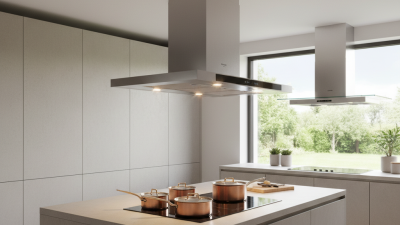
Island hoods, suspended above an island cooktop, offer both style and functionality but require more extensive installation work and often come at a higher cost. It's vital to weigh your kitchen's layout and your cooking habits when selecting the right hood type.
Tips: When maintaining your kitchen hood, regularly check and replace filters according to manufacturer guidelines to ensure maximum efficiency. Cleaning the exterior with a gentle cleaner can also help maintain its appearance. Additionally, consider the ducting options; ducted hoods generally provide superior air filtration compared to recirculating models, making them a preferred choice for serious cooks.
Essential Maintenance Tips for Enhancing Kitchen Hood Longevity
When it comes to ensuring the longevity of your kitchen hood, regular maintenance is essential. One of the most important tips is to clean the filters frequently. Grease can accumulate in the filters, which not only affects the efficiency of the ventilation system but also poses a fire hazard. Depending on usage, consider washing grease filters every month or replacing them altogether if they are damaged. Regularly inspecting and cleaning the ductwork can also help eliminate any buildup that could impede airflow, ensuring that your kitchen remains safe and pleasant.
Another crucial aspect of maintenance is the examination of the fan and motor. Over time, these components can wear out or become noisy, indicating potential issues. To enhance the lifespan of your kitchen hood, ensure that the fan blades are free from grease buildup and that the motor is operating smoothly. Lubricating the motor according to the manufacturer's guidelines can prevent unnecessary strain and extend its life. Finally, don’t overlook the overall cleanliness of the hood itself—wiping down surfaces with appropriate cleaners will not only keep it looking good but also reduce the risk of grease fires.
Essential Kitchen Hood Tips for Choosing, Maintaining, and Cleaning Your Ventilation System
| Tip Category |
Tips |
Frequency |
| Choosing |
Consider the size of your kitchen and hood. |
Once |
| Choosing |
Select a hood that matches your cooking style. |
Once |
| Maintaining |
Check and replace filters regularly. |
Monthly |
| Maintaining |
Inspect the hood for grease build-up. |
Bi-monthly |
| Cleaning |
Use a degreaser for stubborn stains. |
As needed |
| Cleaning |
Wipe down hood surfaces weekly. |
Weekly |
Step-by-Step Guide to Cleaning Your Kitchen Ventilation System
Cleaning your kitchen ventilation system is essential for maintaining a hygienic cooking environment and ensuring efficient airflow. The first step in this process is to gather all necessary tools and materials. You will need a ladder, a bucket, dish soap, baking soda, a non-abrasive sponge, and a microfiber cloth. Begin by switching off the ventilation system and unplugging it to ensure safety. If applicable, refer to the manufacturer's manual for specific disassembly instructions.
Once the system is powered down, focus on removing the filter cover. Soak the filters in a mixture of hot water, dish soap, and baking soda to dissolve grease build-up. After they soak for about 30 minutes, scrub them gently with a non-abrasive sponge, then rinse thoroughly with warm water. While the filters are soaking, wipe down the exterior and interior surfaces of the hood with a damp microfiber cloth to remove dust and grime, ensuring not to scratch any surfaces.
After cleaning the filters and surfaces, reassemble the ventilation system and plug it back in. It's advisable to periodically check and replace filters as needed, typically every few months, to maintain optimal performance. Regular maintenance not only keeps your kitchen environment clean but extends the life of your ventilation system.
Essential Kitchen Hood Maintenance and Cleaning Frequency
Common Issues with Kitchen Hoods and How to Troubleshoot Them
When it comes to kitchen hoods, several common issues can arise that compromise their efficiency and ultimately impact your cooking experience. According to a report by the Home Ventilating Institute, approximately 30% of households encounter problems with ventilation systems, leading to increased humidity and smoke in the kitchen. One prevalent issue is inadequate suction power, often caused by clogged filters. Regularly cleaning or replacing these filters, which can decrease airflow by up to 50% if neglected, is crucial for maintaining optimal performance.
Another frequent concern is noise levels. A study by the American Society of Heating, Refrigerating and Air-Conditioning Engineers found that many homeowners are unaware that noise levels can indicate a malfunctioning system. If your hood sounds excessively loud, it may be a sign of a malfunctioning motor or loose components. Performing routine maintenance checks, including inspecting the fan and motor for wear and tear, is essential to mitigate this issue. Regular maintenance not only enhances the functionality of the kitchen hood but also extends its lifespan, ensuring a smoke-free and pleasant cooking environment.