Top 10 Tips for Choosing the Right Chimney for Your Kitchen
When selecting a chimney for your kitchen, the decision can significantly impact both the functionality and aesthetics of your cooking space. Renowned kitchen appliance expert, Julia Hart, emphasizes the importance of this choice by stating, "A well-chosen chimney not only enhances your kitchen's style but also ensures a healthier cooking environment." With a variety of styles, sizes, and features available in the market, navigating through these options can be overwhelming for homeowners.
Choosing the right chimney for your kitchen isn't just about removing smoke and odors; it's about ensuring a comfortable and enjoyable culinary experience. The right chimney can improve air quality, reduce grease build-up, and complement the overall design of your kitchen. In this guide, we will explore the top 10 tips that will help you make an informed decision, enabling you to select the perfect chimney for your kitchen.
Understanding the Importance of Kitchen Chimneys in Modern Cooking
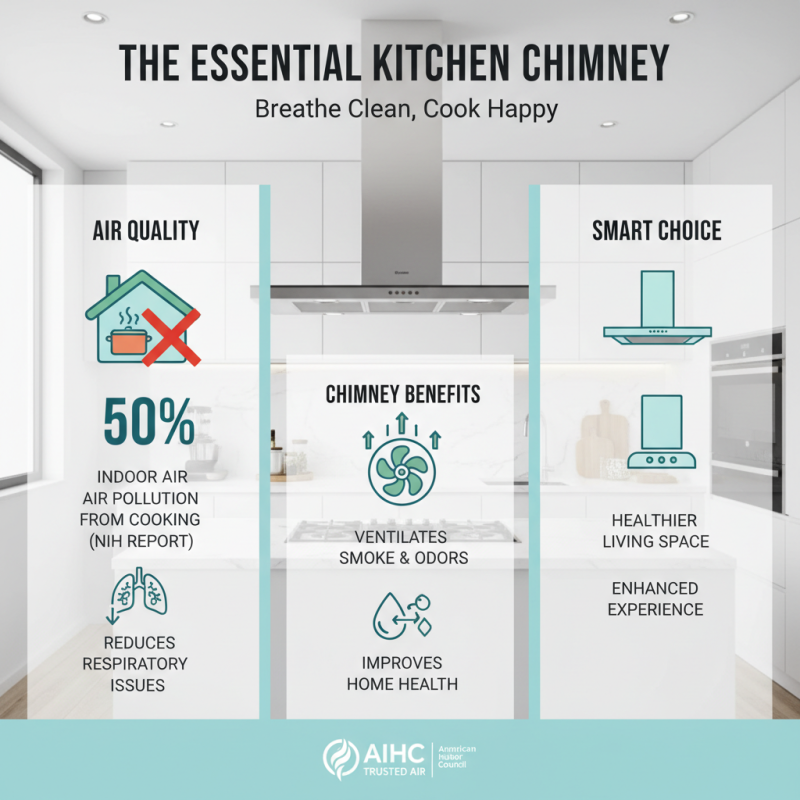
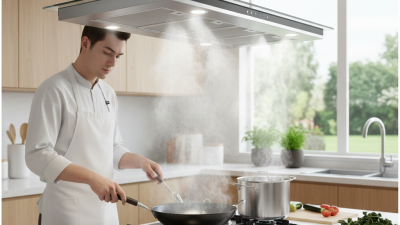
In modern cooking environments, kitchen chimneys play a crucial role in maintaining air quality and enhancing the culinary experience. A recent report by the National Institute of Health highlights that approximately 50% of indoor air pollution in homes can be attributed to cooking activities, which can lead to respiratory issues and decreased indoor air quality. Therefore, the right chimney not only helps in ventilating smoke and odors but also significantly contributes to a healthier living space.
When choosing a chimney, consider its efficiency and capacity. Look for models that have a high extraction rate – ideally, around 600 cubic meters per hour for standard kitchens, as this ensures that smoke and grease are effectively removed from the air. Additionally, assess the noise level, as quieter models (below 60 decibels) create a more pleasant cooking environment.
Furthermore, the design and maintenance of the chimney are crucial. Opt for a model with easy-to-clean filters; reusable filters can significantly reduce ongoing costs while maintaining optimal performance. Regular cleaning can enhance the lifespan of your chimney, ensuring it operates effectively for years. With the right insights and choices, selecting a chimney can lead to not just a more enjoyable cooking experience, but also a healthier home environment.
Key Factors to Consider When Selecting a Kitchen Chimney
When selecting a kitchen chimney, there are several key factors to consider that can significantly impact its effectiveness and fit within your cooking space. First and foremost, consider the size of your kitchen and the type of cooking you frequently engage in. Larger kitchens or those that see a lot of frying and grilling require a more powerful chimney with higher suction capacity. This ensures that smoke, grease, and odors are efficiently removed, contributing to a healthier cooking environment.
Another critical factor is the type of chimney design that will complement your kitchen layout. Wall-mounted, island, or under-cabinet chimneys each serve different aesthetic and functional purposes. Additionally, consider the chimney's noise level, as some models can be quite loud when in operation, which might detract from the comfort of your kitchen space. Lastly, ease of maintenance should not be overlooked; a chimney that is easy to disassemble and clean will save you time and effort in the long run, ensuring that it remains both effective and hygienic.
Comparing Different Types of Kitchen Chimneys: Pros and Cons
When considering kitchen chimneys, it's essential to compare the various types available to ensure you select the best fit for your cooking habits and kitchen space. The three most common types are wall-mounted, island, and under-cabinet chimneys. Wall-mounted models are popular for their sleek design and effectiveness in removing smoke and odors, with many capable of venting up to 600 CFM (cubic feet per minute) based on the size of the cooking area. Reports indicate that properly sized chimneys can reduce airborne grease by up to 90%, making them a crucial component in maintaining a clean cooking environment.
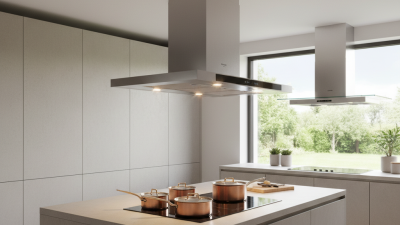
On the other hand, island chimneys are specifically designed for kitchens with an island cooktop, providing aesthetic appeal without compromising on functionality. These chimneys typically feature higher suction power, often reaching between 600 and 1,200 CFM, depending on the kitchen's layout. However, due to their design, they can pose challenges for installation and may require more extensive ductwork. Under-cabinet chimneys are a versatile option for smaller kitchens, offering a more compact solution while still delivering satisfactory performance. They can extract air at an average rate of 300 to 600 CFM, making them ideal for lighter cooking styles. The key is to evaluate your cooking habits, kitchen size, and ventilation needs to ensure optimal selection for efficiency and effectiveness.
Top 10 Tips for Choosing the Right Chimney for Your Kitchen
| Type of Chimney |
Pros |
Cons |
Best For |
| Wall-Mounted Chimney |
Space-saving, Stylish |
Limited to wall space |
Small to Medium Kitchens |
| Island Chimney |
Great for open layouts, Good suction |
Requires ceiling support |
Large Open Kitchens |
| Under-Cabinet Chimney |
Space-efficient, Affordable |
Limited power |
Compact Kitchens |
| Ceiling Chimney |
Modern look, Excellent suction |
Complex installation |
High Ceiling Kitchens |
| Downdraft Chimney |
Discreet, Space-saving |
Less effective for heavy cooking |
Minimalist Designs |
| Wall-Chimney Insert |
Powerful, Various designs |
Space-consuming |
Larger Spaces |
| Chimney with Charcoal Filter |
Odor reduction, Reusable filters |
Requires maintenance |
Apartments or Small Kitchens |
| Recirculating Chimney |
No ducting required, Easy installation |
Less effective ventilation |
Ductless Installations |
| Downdraft Ventilation |
Attractive, Convenient |
Not suitable for all cooking types |
Modern Kitchen Spaces |
The Role of Chimney Size in Efficient Ventilation and Performance
When choosing a chimney for your kitchen, size plays a crucial role in ensuring effective ventilation and optimal performance. An adequately sized chimney not only enhances the aesthetic appeal of your kitchen but also significantly contributes to maintaining a healthy indoor environment. A chimney that is too small may struggle to remove smoke, steam, and odors, leading to poor air quality and lingering smells in your cooking space. On the other hand, an oversized chimney can result in excessive noise and higher energy consumption.
To determine the right size, consider the volume of your kitchen and the type of cooking you do. A general guideline is to select a chimney with a suction power that can effectively handle the air generated during cooking. For example, a kitchen with a higher cooking frequency or the use of high-heat cooking methods will require a more powerful chimney. It's also important to take into account the height at which the chimney will be installed; the distance from the cooktop can influence the efficiency of smoke and grease removal. By assessing these factors, you can ensure that your chimney not only fits well but also delivers superior ventilation performance.
Evaluating Chimney Noise Levels: What Are Acceptable Standards?
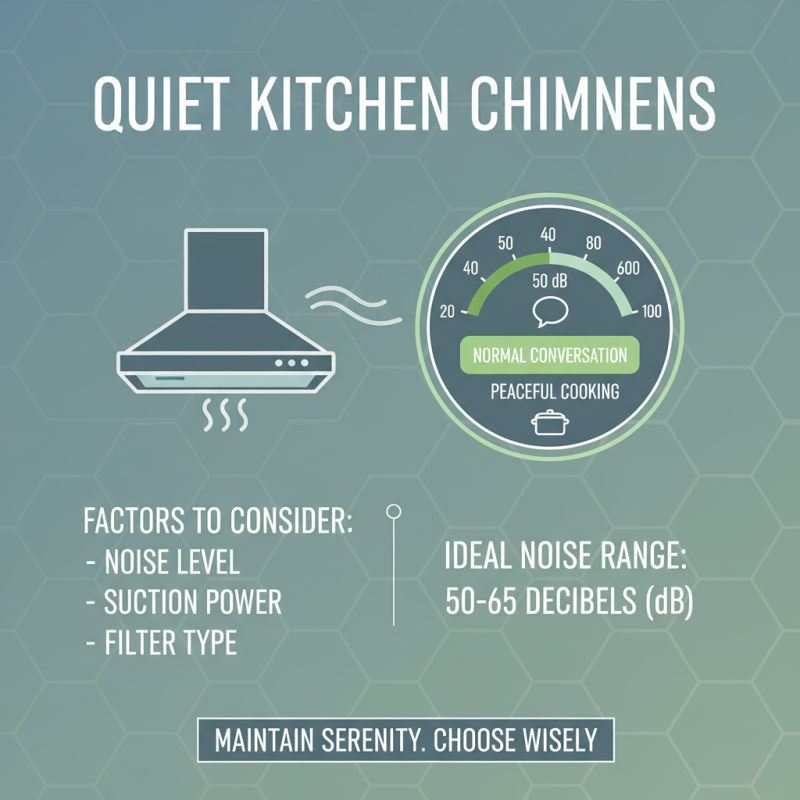
When choosing a chimney for your kitchen, one of the most critical factors to consider is the noise level it produces during operation. Excessive noise can be a significant nuisance, disrupting the peaceful atmosphere of your home. Acceptable noise levels for chimneys typically range between 50 to 65 decibels, which is comparable to the sound of a normal conversation. It's essential to check this specification before making a purchase, as quieter models are generally better for maintaining a serene cooking environment.
To ensure you choose a chimney that meets these standards, test the noise levels by operating displays in stores or consulting online resources for user reviews on noise performance. Additionally, consider models equipped with sound-reducing technology or those that feature multiple speed settings, allowing you to adjust the airflow and noise to your preference.
Another tip for selecting the right chimney is to assess the design and aesthetic appeal. A chimney that blends well with your kitchen decor can enhance the overall atmosphere while ensuring functionality. Look for styles that complement your cabinetry and appliances, as this can contribute to a cohesive design without compromising on performance. Prioritize features that reduce noise while maintaining efficiency and consider the layout of your kitchen when deciding on the design, ensuring it fits seamlessly into your cooking and living space.