The Ultimate Guide to Choosing the Best Cooking Range in 2025
In 2025, the culinary landscape is poised for significant evolution, and the cooking range stands at the forefront of this transformation. As households increasingly prioritize energy efficiency and smart technology, industry reports indicate a surge in demand for multifunctional cooking ranges that cater to diverse cooking styles. According to a recent study by the American Home Appliance Manufacturers, the global market for cooking ranges is projected to grow at a compound annual growth rate (CAGR) of 4.5% over the next five years, driven by innovations in design and features.
As consumers seek appliances that enhance their cooking experience while minimizing their environmental footprint, the latest cooking ranges are being equipped with advanced functionalities that include induction heating, smart connectivity, and self-cleaning options. Data from the International Energy Agency suggests that adopting energy-efficient cooking ranges can reduce household energy consumption by as much as 20%. Therefore, making an informed decision when choosing a cooking range not only impacts culinary performance but also aligns with sustainability goals, making this a critical topic for modern consumers navigating their options in an ever-evolving market.
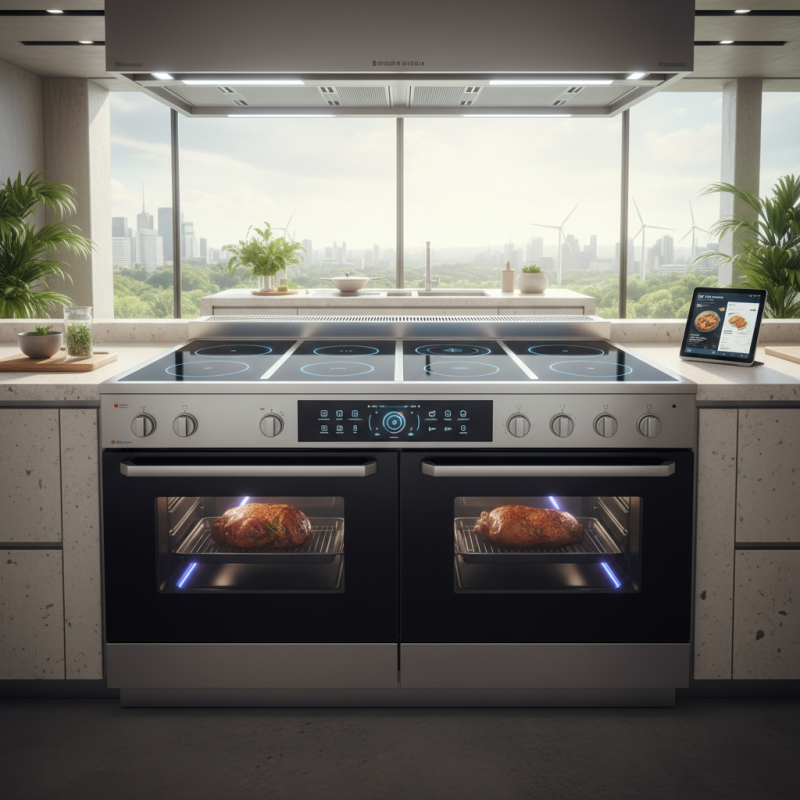
Understanding Cooking Range Types: Gas, Electric, and Induction Overview
When selecting a cooking range, understanding the three primary types—gas, electric, and induction—is essential for making an informed decision tailored to your cooking preferences and kitchen setup. Gas cooking ranges are favored for their rapid heat adjustments and precise temperature control. The flames provide immediate feedback, allowing for dynamic cooking techniques such as sautéing and searing. Additionally, gas ranges are often regarded for their visual cues, as cooks can easily gauge heat levels by watching the flame. However, they require a gas line and may not be suitable for every kitchen layout.
On the other hand, electric cooking ranges offer a more consistent heating experience, with smooth and easy-to-clean surfaces. They are known for their reliability and can be more efficient in certain cooking scenarios. The radiant heat provided by electric coils or smooth tops allows for even cooking, which can be ideal for baking and roasting. Nevertheless, electric ranges can take longer to heat up and cool down, which might impact cooking times for some users.
Induction cooking ranges represent the latest technology in cooking efficiency. They use electromagnetic fields to generate heat directly in compatible pots and pans, resulting in rapid heating and a level of precision unmatched by gas or traditional electric stoves. Induction ranges are safe, as the cooktop remains relatively cool, minimizing the risk of burns. They are also energy-efficient, transferring almost all the heat generated directly to the cookware. However, their compatibility with certain types of cookware is a consideration to keep in mind, making it essential to assess your kitchen tools before opting for this modern solution.
The Ultimate Guide to Choosing the Best Cooking Range in 2025 - Understanding Cooking Range Types: Gas, Electric, and Induction Overview
| Cooking Range Type |
Energy Source |
Heating Time |
Temperature Control |
Safety Features |
Cost Efficiency |
| Gas |
Natural Gas / Propane |
Instant |
Excellent |
Flame Failure Device |
Moderate |
| Electric |
Electricity |
Slow |
Very Good |
Thermal Cut-off |
Costly |
| Induction |
Electricity (Inductive) |
Very Fast |
Excellent |
Auto Shut-off |
High |
Key Features to Consider: BTUs, Oven Capacity, and Energy Efficiency Ratings
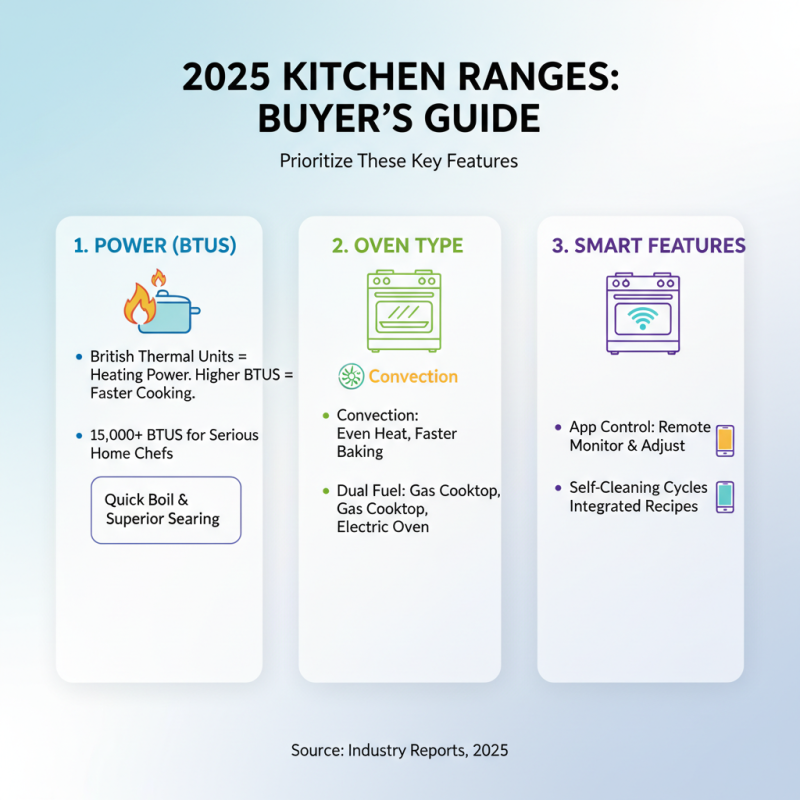
When selecting the best cooking range for your kitchen in 2025, a few key features must be prioritized to ensure you make an informed choice. First and foremost, understanding BTUs (British Thermal Units) is crucial. BTUs measure a cooktop's heating power, with a higher number indicating faster cooking capabilities. According to industry reports, ranges with at least 15,000 BTUs are ideal for serious home chefs, allowing for quick boiling and superior searing ability. This power can be particularly beneficial when preparing meals that require high heat.
Another essential feature to contemplate is the oven capacity. A spacious oven not only accommodates larger roasts but also allows for more rack configurations and simultaneous cooking of multiple dishes. Reports suggest that ranges with oven capacities exceeding 5 cubic feet are favored, catering to the diverse needs of family gatherings and special occasions. When choosing a range, consider how often you entertain and the size of meals you typically prepare to find the perfect fit.
Energy efficiency ratings also play a significant role in modern cooking ranges. Energy Star-certified appliances save users up to 30% on energy costs compared to non-certified models, promoting both cost savings and environmental responsibility. When browsing options, look for the energy efficiency label that indicates the model's estimated annual energy consumption.
Tips: Always check for additional features such as self-cleaning options, convection cooking capabilities, and safety features like auto shut-off, as these can significantly enhance your cooking experience. Additionally, make sure to assess warranty options and service agreements for peace of mind after your purchase.
Evaluating Smart Technology: Integrating IoT Devices into Your Cooking Range
In 2025, the integration of smart technology into cooking ranges is reshaping the culinary landscape. Smart cooking ranges equipped with Internet of Things (IoT) devices offer users unprecedented control and convenience in the kitchen. According to a recent industry report by Statista, the global smart kitchen appliance market is projected to reach approximately $38 billion by 2025, driven by consumer demand for more connected devices that enhance cooking efficiency. This increasing trend highlights the importance of evaluating IoT features when selecting a cooking range.
One of the primary advantages of IoT-enabled cooking ranges is their ability to connect with other smart devices in the home, facilitating a more streamlined cooking process. For example, users can monitor temperature and cooking times remotely through smartphone apps, helping to ensure perfect results while multitasking. A study from the International Data Corporation (IDC) indicated that 70% of consumers believe that smart technology makes cooking easier and more enjoyable. Furthermore, the potential for programming cooking sequences and accessing recipes through voice assistants significantly enhances the user experience, making cooking more accessible to novice chefs.
Moreover, IoT technology improves energy efficiency, thus supporting sustainability efforts in modern kitchens. Smart cooking ranges can provide insights on energy usage and suggest optimal cooking times, ultimately helping consumers reduce their carbon footprint. According to the Energy Efficiency Guide, smart appliances can save households up to 20% on their energy bills, making them not only a wise investment but also an environmentally responsible choice. As consumers become increasingly health-conscious and eco-friendly, the demand for smart cooking ranges with integrated IoT capabilities will continue to grow, revolutionizing the way we prepare meals in 2025 and beyond.
The Ultimate Guide to Choosing the Best Cooking Range in 2025
This chart illustrates the key features consumers are looking for in smart cooking ranges in 2025, showcasing the growing importance of IoT integration, energy efficiency, and user-friendly interfaces.
Budgeting for Quality: Average Costs and Long-Term Savings in 2025
When budgeting for a cooking range in 2025, it's essential to consider not only the initial purchase price but also the long-term savings associated with it. According to a report by the National Association of Home Builders (NAHB), households can save an average of $100 to $200 annually on energy costs by investing in high-efficiency cooking appliances. These savings stem from improved energy consumption, as newer ranges often come with better insulation and more efficient heating technologies.
Moreover, the upfront cost of a quality cooking range can vary significantly, typically ranging from $700 to $2,500. As a rule of thumb, spending slightly more upfront can lead to substantial savings over time due to lower energy bills and reduced maintenance costs. In fact, the Appliance Standards Awareness Project has noted that cooking appliances meeting the latest energy standards tend to have an operating cost of up to 30% less than older models.
Tip: When selecting a cooking range, look for units with high Energy Star ratings. They not only meet strict efficiency guidelines but often come with features that optimize energy use, adding more value to your investment.
Additionally, certain features, such as induction cooktop technology, can enhance efficiency, cooking speed, and safety. Induction cooktops use magnetic energy to heat pots and pans directly, resulting in less wasted heat and quicker meal prep.
Tip: Consider the total cost of ownership, which includes factors like energy usage, maintenance, and replacement costs, when evaluating your options. This holistic approach will help ensure you make a cost-effective and sustainable choice for the long run.
Consumer Trends: Top Brands and User Preferences in the Cooking Range Market
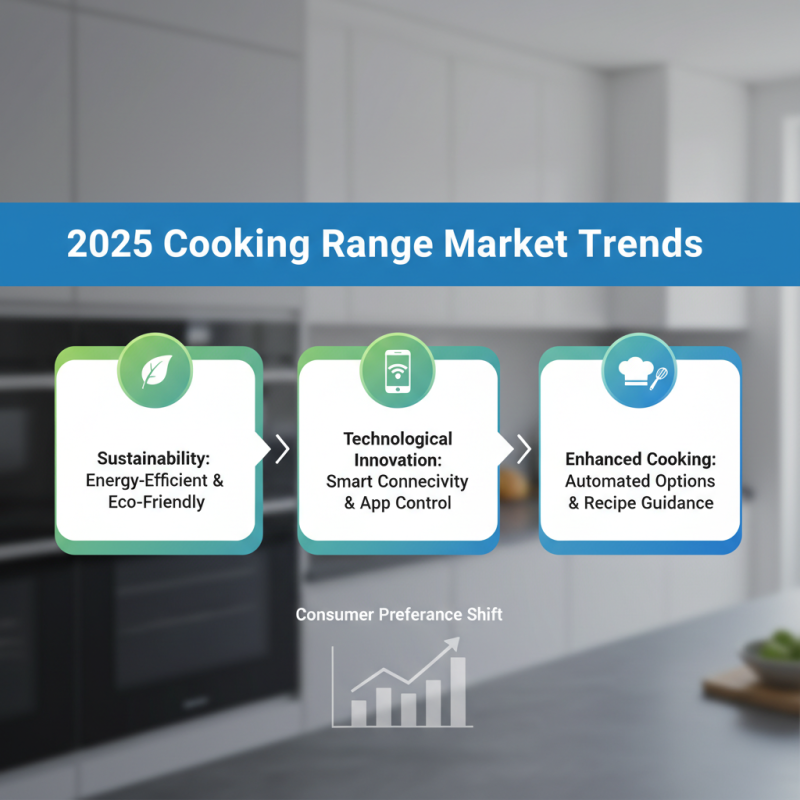
In 2025, the cooking range market is witnessing a significant shift in consumer preferences driven by a growing emphasis on sustainability and technological innovation. Modern buyers are increasingly inclined towards energy-efficient models that not only reduce environmental impact but also lower utility bills. As a result, cooking ranges that feature smart connectivity, allowing users to monitor and control their appliances via smartphones, are becoming increasingly popular. This demand for innovation is pushing manufacturers to explore new functionalities, such as automated cooking options and integrated recipe guidance, transforming the cooking experience into a more interactive and user-friendly process.
Additionally, design aesthetics are playing a crucial role in consumer choices. Many consumers are looking for cooking ranges that blend seamlessly with modern kitchen designs, opting for sleek finishes and customizable features. Color options and materials are more varied than ever, allowing individuals to express their personal style. Furthermore, feedback from user reviews and recommendations is influencing purchasing decisions, with consumers tending to trust peer opinions over traditional advertising. As such, understanding user preferences and trends is essential for both consumers and manufacturers navigating the evolving landscape of the cooking range market.